
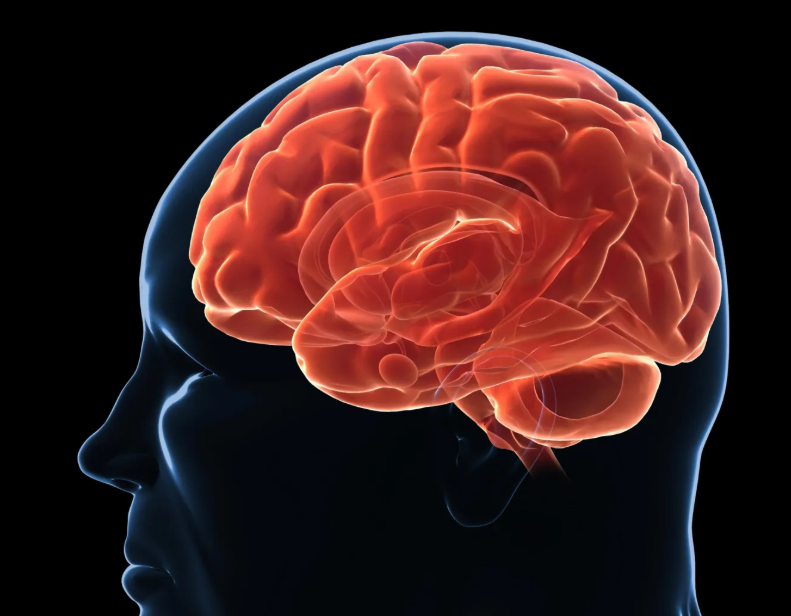
Your brain may remember your highest weight and fight to bring it back, but science is beginning to find ways to change the rules. Credit: Shutterstock 你的大脑可能会记住你曾经达到的最高体重,并努力恢复到那个水平,但科学正在开始寻找改变这一规律的方法。图片来源:Shutterstock
For decades, we’ve been told that weight loss is a matter of willpower: eat less, move more. But modern science has proven this isn’t actually the case. 几十年来,我们一直被告知减肥是意志力的问题:少吃多动。但现代科学已经证明 ,事实并非如此 。
More on that in a moment. But first, let’s go back a few hundred thousand years to examine our early human ancestors. Because we can blame a lot of the difficulty we have with weight loss today on our predecessors of the past – maybe the ultimate case of blame the parents. 稍后会详细讨论这个问题。但首先,让我们回到几十万年前, 看看我们早期的人类祖先。因为我们今天在减肥方面遇到的很多困难,都可以归咎于我们过去的先辈——这或许是“责怪父母”的终极案例。
For our early ancestors, body fat was a lifeline: too little could mean starvation, too much could slow you down. Over time, the human body became remarkably good at guarding its energy reserves through complex biological defenses wired into the brain. But in a world where food is everywhere and movement is optional, those same systems that once helped us survive uncertainty now make it difficult to lose weight. 对我们的早期祖先来说,体脂是生命线:太少会导致饥饿,太多则会拖慢行动。随着时间的推移,人体通过大脑中复杂的生物防御机制,变得异常擅长守护能量储备。然而,在如今这个食物唾手可得、运动不再是必需的世界里,这些曾经帮助我们应对不确定性的系统,如今却让减肥变得异常艰难。
When someone loses weight, the body reacts as if it were a threat to survival. Hunger hormones surge, food cravings intensify and energy expenditure drops. These adaptations evolved to optimize energy storage and usage in environments with fluctuating food availability. But today, with our easy access to cheap, calorie-dense junk food and sedentary routines, those same adaptations that once helped us to survive can cause us a few issues. 当体重下降时,身体会做出类似生存威胁的反应。 饥饿激素激增 , 对食物的渴望加剧 , 能量消耗下降 。这些适应机制是为了在食物供应不稳定的环境中优化能量的储存和利用而进化而来的。但如今,由于我们很容易就能获得廉价、高热量的垃圾食品,加上久坐不动的生活方式,这些曾经帮助我们生存的适应机制反而会给我们带来一些问题。
As we found in our recent research, our brains also have powerful mechanisms for defending body weight – and can sort of “remember” what that weight used to be. For our ancient ancestors, this meant that if weight was lost in hard times, their bodies would be able to “get back” to their usual weight during better times. 正如我们最近的研究发现, 我们的大脑也拥有强大的机制来维持体重——并且能够“记住”过去的体重。对于我们的远古祖先来说,这意味着如果在困境中体重下降,他们的身体能够在经济条件改善后“恢复”到之前的体重。
But for us modern humans, it means that our brains and bodies remember any excess weight gain as though our survival and lives depend upon it. So in effect, once the body has been heavier, the brain comes to treat that higher weight as the new normal – a level it feels compelled to defend. 但对我们现代人来说,这意味着我们的大脑和身体会记住任何额外的体重增加,仿佛我们的生存和生命都依赖于此。因此,实际上,一旦身体体重增加,大脑就会将这种较高的体重视为新的常态——一种它感到有义务捍卫的体重水平。
The fact that our bodies have this capacity to “remember” our previous heavier weight helps to explain why so many people regain weight after dieting. But as the science shows, this weight regain is not due to a lack of discipline; rather, our biology is doing exactly what it evolved to do: defend against weight loss. 我们的身体具有“记忆”先前体重的能力,这有助于解释为什么许多人在节食后体重会反弹。但科学研究表明,体重反弹并非源于缺乏自律;相反,我们的生物机能正在履行其进化本能:抵御体重下降。
Hacking biology 生物学黑客
This is where weight-loss medications such as Wegovy and Mounjaro have offered fresh hope. They work by mimicking gut hormones that tell the brain to curb appetite. 正是在这种情况下,像 Wegovy 和 Mounjaro 这样的减肥药物带来了新的希望 。它们的作用机制是模拟肠道激素 ,从而向大脑发出抑制食欲的信号。
But not everyone responds well to such drugs. For some, the side effects can make them difficult to stick with, and for others, the drugs don’t seem to lead to weight loss at all. It’s also often the case that once treatment stops, biology reasserts itself – and the lost weight returns. 但并非所有人都对这类药物反应良好。对一些人来说, 副作用会让他们难以坚持服药;而对另一些人来说,这些药物似乎根本无法减轻体重 。此外,一旦停止治疗,生物钟就会重新发挥作用——减掉的体重往往会反弹。
Advances in obesity and metabolism research may mean that it’s possible for future therapies to be able to turn down these signals that drive the body back to its original weight, even beyond the treatment period. 肥胖和代谢研究的进展可能意味着, 未来的疗法有可能降低这些使身体恢复到原始体重的信号,即使在治疗期结束后也是如此。
Research is also showing that good health isn’t the same thing as “a good weight.” As in, exercise, good sleep, balanced nutrition, and mental well-being can all improve heart and metabolic health, even if the number on the scales barely moves. 研究还表明, 良好的健康状况并不等同于“理想的体重”。也就是说,即使体重秤上的数字几乎没有变化,运动、充足的睡眠、均衡的营养和良好的心理健康都能改善心脏和代谢健康。
A whole society approach 全社会参与的方式
Of course, obesity isn’t just an individual problem – it takes a society-wide approach to truly tackle the root causes. And research suggests that a number of preventative measures might make a difference – things such as investing in healthier school meals, reducing the marketing of junk food to children, designing neighborhoods where walking and cycling are prioritized over cars, and restaurants having standardised food portions. 当然,肥胖并非仅仅是个人问题——要真正解决其根本原因,需要全社会的共同努力。研究表明,一些预防措施可能会有所成效,例如:加大对学校膳食的投入,改善健康饮食 ;减少针对儿童的垃圾食品营销;规划以步行和骑行为主的社区,优先考虑步行和骑行;以及餐厅实行标准化的餐食分量。
Scientists are also paying close attention to key early-life stages – from pregnancy to around the age of seven – when a child’s weight regulation system is particularly malleable. 科学家们也密切关注生命早期的关键阶段——从怀孕到七岁左右——因为在这个阶段,儿童的体重调节系统特别容易改变。
Indeed, research has found that things like what parents eat, how infants are fed, and early lifestyle habits can all shape how the brain controls appetite and fat storage for years to come. 事实上, 研究发现 ,父母的饮食习惯、婴儿的喂养方式以及早期的生活习惯等因素,都会影响大脑在未来数年内控制食欲和脂肪储存的方式。
If you’re looking to lose weight, there are still things you can do – mainly by focusing less on crash diets and more on sustainable habits that support overall well-being. Prioritising sleep helps regulate appetite, for example, while regular activity – even walking – can improve your blood sugar levels and heart health. 如果你想减肥,仍然有很多方法可以做到——主要在于减少节食减肥的次数,更多地培养有助于整体健康的长期习惯 。例如, 保证充足的睡眠有助于调节食欲 ,而规律的运动——哪怕只是散步——也能改善血糖水平和心脏健康。
The bottom line though is that obesity is not a personal failure, but rather a biological condition shaped by our brains, our genes, and the environments we live in. The good news is that advances in neuroscience and pharmacology are offering new opportunities in terms of treatments, while prevention strategies can shift the landscape for future generations. 但归根结底,肥胖并非个人失败,而是一种受大脑、基因和生活环境共同影响的生物学疾病。好消息是,神经科学和药理学的进步为治疗肥胖提供了新的契机,而预防策略则有望为子孙后代改变肥胖的现状。
So if you’ve struggled to lose weight and keep it off, know that you’re not alone, and it’s not your fault. The brain is a formidable opponent. But with science, medicine and smarter policies, we’re beginning to change the rules of the game. 所以,如果你一直苦于减肥却始终无法保持体重,要知道你并不孤单,这也不是你的错。大脑是一个强大的对手。但随着科学、医学和更明智的政策,我们正在开始改变游戏规则。
人已打赏

看完后发现和他们接吻的另外的一男一女在他们走后都不约而同的露出伤心的表情,唉
觉得这个mv真的很棒,很真实分手生活在自己的圈子,做的相似的事情,突然间想起你,温柔而不打扰
男主是个gay,女主喜欢男主,想要xo他,但男主却xxx,所以就。。。