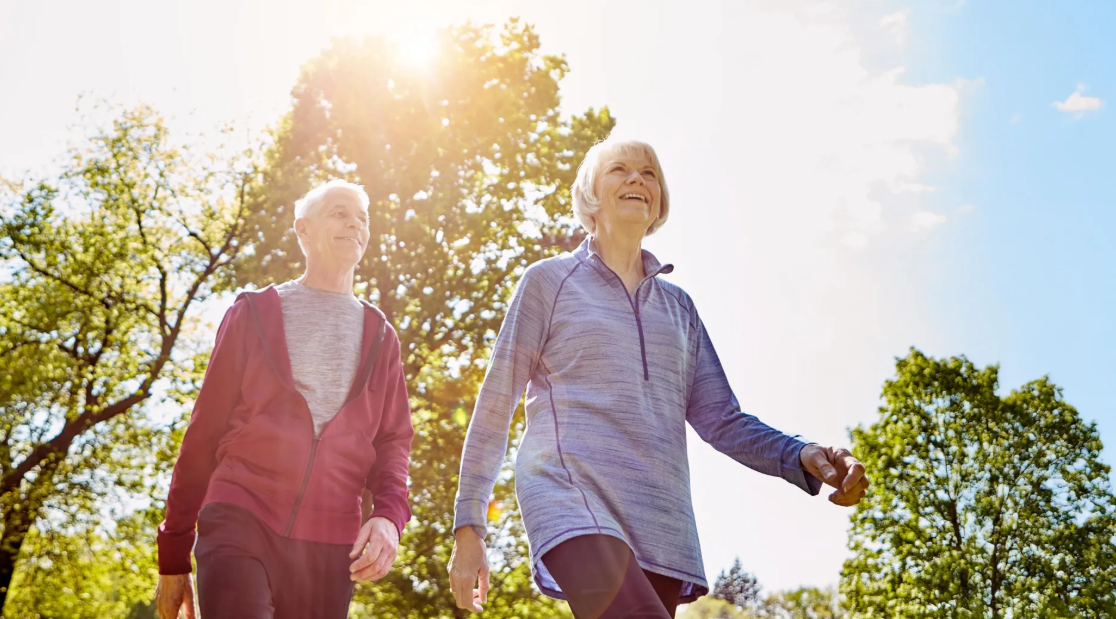
As we age, the body trades walking speed and efficiency for stability—a safety strategy that may keep us upright but makes every step more tiring. Credit: Shutterstock 随着年龄增长,身体会牺牲行走速度和效率来换取稳定性——这种安全策略或许能让我们保持直立,但也让每一步都更加疲惫。图片来源:Shutterstock
New Australian research is shedding light on why walking often becomes slower and more tiring with age. The findings suggest that the body gradually gives up some movement efficiency in favor of staying stable and upright. 澳大利亚一项最新研究揭示了为什么随着年龄增长,行走速度往往会变慢,也更容易疲劳。研究结果表明,为了保持身体稳定和直立,身体会逐渐牺牲一些运动效率。
Led by researchers at Flinders University and the University of Canberra, the study found that aging is associated with a “safety-first” walking strategy. This approach emphasizes stability instead of speed and energy efficiency, helping explain why older adults may fatigue more quickly and also face a greater risk of falling. 这项由弗林德斯大学和堪培拉大学的研究人员主导的研究发现,老年人的步行策略往往以“安全第一”为导向。这种策略强调稳定性而非速度和能量效率,这有助于解释为什么老年人更容易疲劳,跌倒的风险也更高。
Researchers analyzed movement data from 107 healthy adults between the ages of 26 and 86. They found small but meaningful age-related differences in how the ankle and nearby muscles manage each step. 研究人员分析了 107 名年龄在 26 岁至 86 岁之间的健康成年人的运动数据。他们发现,脚踝和附近肌肉在控制每一步时存在细微但有意义的年龄相关差异。
How the Ankle Changes With Age 脚踝如何随年龄变化
Lead author and sport and exercise technology expert Dr. Cody Lindsay says the ankle is essential for maintaining balance while also helping propel the body forward. 主要作者、运动和锻炼技术专家科迪·林赛博士表示,脚踝对于保持平衡至关重要,同时也有助于推动身体向前运动。
“As we get older, the body starts to favor stability over efficiency,” says Dr. Lindsay, from the Flinders Caring Futures Institute. “随着年龄的增长,身体开始倾向于稳定而不是效率,”弗林德斯关爱未来研究所的林赛博士说。
“That helps keep us upright, but it also makes walking more of an effort.” “这有助于我们保持直立,但也使行走更加费力。”
The researchers found that older adults are more likely to activate opposing muscles around the ankle at the same time. This pattern is known as co-contraction. It makes the ankle joint stiffer and can improve stability when the foot contacts the ground. 研究人员发现,老年人更容易同时激活踝关节周围的拮抗肌群。这种模式被称为协同收缩。它会使踝关节更加僵硬,并能在足部着地时提高稳定性。
However, Dr. Lindsay says this comes at a cost. 然而,林赛博士表示,这样做是有代价的。
“Stiffening the joint makes walking safer, but it also means the muscles are working harder without generating as much forward movement,” he says. “关节僵硬会让行走更安全,但也意味着肌肉需要更努力地工作,却无法产生足够的向前运动,”他说。
Older participants also generated less push-off power with each step. As a result, their strides were shorter, and their walking speeds were slower. 老年参与者每一步产生的蹬地力量也较小。因此,他们的步幅较短,步行速度也较慢。
A Safety First Strategy for Walking 步行安全第一策略
Co-author Associate Professor Maarten Immink says the findings point to a wider change in the way the body manages movement as people grow older. 共同作者、副教授马尔滕·伊明克表示,研究结果表明,随着人们年龄的增长,身体管理运动的方式发生了更广泛的变化。
“The nervous system adopts a safety-first approach, compensating for age-related changes by favoring stability over performance,” says Associate Professor Immink, Lead of the Active Lives Research Program within the Caring Futures Institute at Flinders University. “神经系统采取安全至上的方法,通过优先考虑稳定性而非性能来弥补与年龄相关的变化,”弗林德斯大学关爱未来研究所积极生活研究项目负责人、副教授伊明克说。
“These changes can also increase fatigue and make walking longer distances more challenging, while reducing the ability to recover from trips or slips — a key factor in falls among older adults.” “这些变化还会加剧疲劳,使步行更长的距离变得更加困难,同时降低从绊倒或滑倒中恢复的能力——这是老年人跌倒的一个关键因素。”
“Even gradual changes can affect confidence and independence, and people may notice they tire more quickly or feel less steady, especially on uneven ground.” “即使是渐进的变化也会影响自信心和独立性,人们可能会注意到自己更容易疲劳或感觉不太稳,尤其是在不平坦的地面上。”
Exercise May Help Preserve Mobility 运动可能有助于保持活动能力
The findings also suggest possible ways to help people maintain mobility as they age. 研究结果还提出了一些可能的方法,帮助老年人保持行动能力。
Rather than focusing only on building strength, the researchers say exercise programs should also emphasize balance and coordination while paying attention to how different muscles work together during each step. 研究人员表示,锻炼计划不应只注重增强力量,还应强调平衡性和协调性,同时注意每一步中不同肌肉如何协同工作。
“For older Australians, simple actions can make a difference, including regular physical activity, balance exercises such as tai chi, lower-leg strengthening and activities that challenge coordination,” says Dr. Lindsay, from Flinders’ College of Health and Enablement. “对于澳大利亚老年人来说,简单的行动就能带来改变,包括定期进行体育锻炼、平衡练习(如太极拳)、下肢力量训练以及挑战协调性的活动,”弗林德斯大学健康与赋能学院的林赛博士说。
“Staying active is one of the most important things people can do, and small, consistent exercises can help you stay confident, mobile and independent for longer.” “保持活跃是人们可以做的最重要的事情之一,而少量、持续的锻炼可以帮助你更长时间地保持自信、行动自如和独立自主。”
The researchers hope these findings can contribute to improved prevention and rehabilitation strategies designed to reduce falls and support healthy aging. 研究人员希望这些发现能够为改进预防和康复策略做出贡献,从而减少跌倒并促进健康老龄化。

嗨,这是一条评论。
要开始审核、编辑及删除评论,请访问仪表盘的“评论”页面。
评论者头像来自Gravatar。