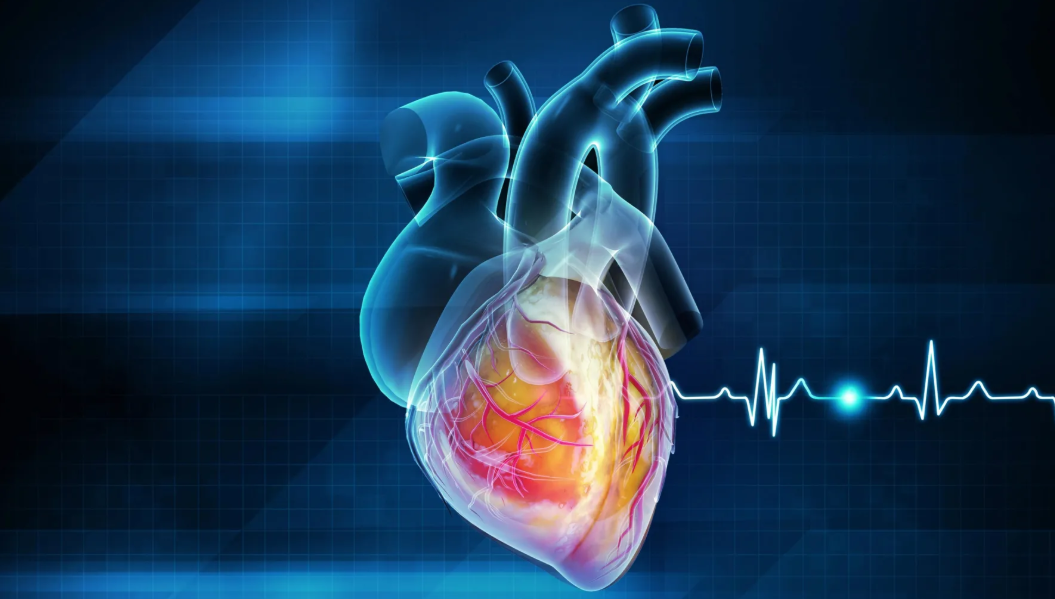

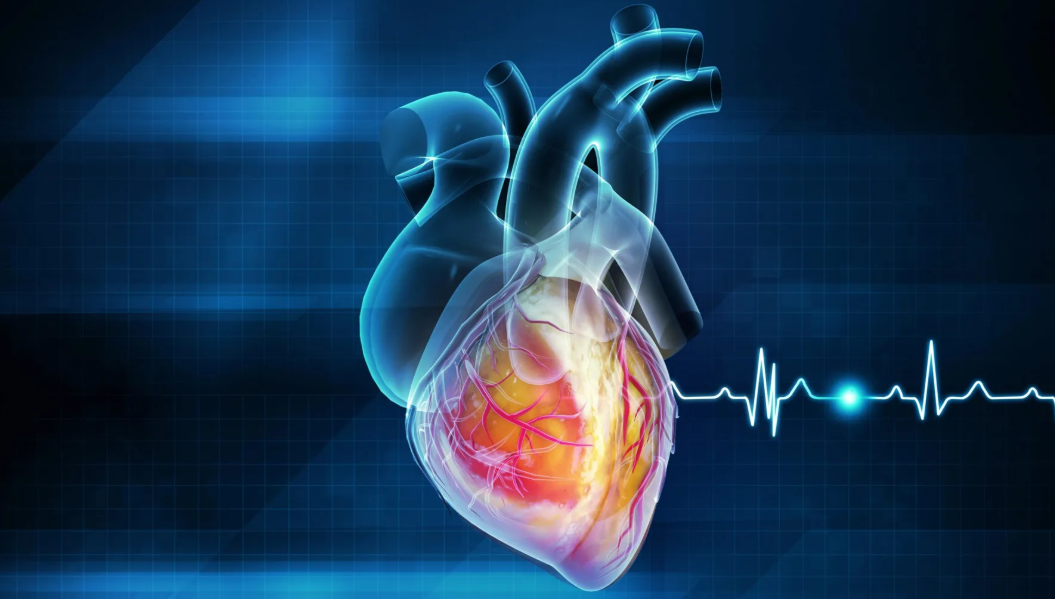
Protecting your heart may take far more than 150 minutes of weekly exercise—and your personal fitness level could determine how much is enough. Credit: Shutterstock 保护心脏健康可能远不止每周 150 分钟的运动——而你的个人体能水平决定了多少运动才算足够。图片来源:Shutterstock
Adults may need far more weekly exercise than current guidelines recommend to achieve a major reduction in the risk of heart attack and stroke, according to findings from an observational study published online in the British Journal of Sports Medicine. 根据发表在 《英国运动医学杂志》 上的一项观察性研究结果,成年人可能需要比目前指南建议的每周运动量多得多,才能大幅降低心脏病发作和中风的风险。
The researchers found that substantial cardiovascular protection was associated with 560 to 610 minutes of moderate-to-vigorous physical activity each week. That amount is roughly 3 to 4 times higher than the current public health recommendation of at least 150 minutes per week. 研究人员发现,每周进行 560 至 610 分钟的中高强度体育活动与显著的心血管保护作用相关。这一运动量大约是目前公共卫生建议的每周至少 150 分钟的 3 至 4 倍。
Moderate-to-vigorous activities include brisk walking, running, and cycling. 中等至剧烈运动包括快走、跑步和骑自行车。
Fitness Level May Change Exercise Needs 体能水平可能会改变运动需求。
The study also suggests that people with lower fitness levels may need slightly more exercise than highly fit individuals to receive similar cardiovascular benefits. 该研究还表明,体能水平较低的人可能需要比体能水平较高的人进行更多的运动,才能获得类似的心血管益处。
Based on the findings, the researchers argue that the current one-size-fits-all approach to exercise recommendations may need to be reconsidered. Instead, future guidance could include personalized activity targets based on a person’s fitness level. 根据研究结果,研究人员认为,目前一刀切的运动建议方式可能需要重新考虑。未来的指导方针可以根据个人的体能水平制定个性化的运动目标。
Cardiorespiratory fitness varies widely from one person to another and is considered a strong indicator of cardiovascular health. Poor cardiorespiratory fitness has been closely linked to a greater risk of heart attack, stroke, and early death. 心肺功能因人而异,被认为是心血管健康的重要指标。心肺功能差与心脏病发作、中风和过早死亡的风险密切相关。
One common way to measure cardiorespiratory fitness is through VO2 max, which refers to the highest rate at which the body can take in and use oxygen during intense exercise. The measurement reflects how efficiently the heart, lungs, and muscles work together to deliver and use oxygen. 衡量心肺功能的常用方法之一是测定最大摄氧量(VO2 max),它指的是人体在剧烈运动期间摄取和利用氧气的最高速率。该指标反映了心脏、肺和肌肉协同工作输送和利用氧气的效率。
Researchers Examined Exercise and VO2 Max 研究人员考察了运动与最大摄氧量之间的关系
Researchers at Macao Polytechnic University in China investigated how physical activity and cardiorespiratory fitness, measured through estimated VO2 max, were associated with cardiovascular disease risk. 中国澳门理工大学的研究人员调查了通过估计最大摄氧量 (VO2 max) 来衡量的身体活动和心肺功能与心血管疾病风险之间的关联。
Their analysis included 17,088 people enrolled in a UK Biobank study between 2013 and 2015. Participants had an average age of 57. Of the group, 56% were female, and 96% were white. 他们的分析包括 2013 年至 2015 年间参与英国生物银行研究的 17,088 人。参与者的平均年龄为 57 岁。其中,56% 为女性,96% 为白人。
Each participant wore a wrist device for seven consecutive days to record typical physical activity. They also completed a cycling test that was used to estimate VO2 max. 每位参与者连续七天佩戴腕式设备,以记录其日常身体活动情况。他们还完成了一项自行车测试,用于估算最大摄氧量(VO2 max)。
The researchers also considered smoking, alcohol use, self-rated health, diet, body mass index, resting heart rate, and blood pressure. 研究人员还考虑了吸烟、饮酒、自我健康评价、饮食、体重指数、静息心率和血压。
More Than 1,200 Cardiovascular Events Recorded 记录在案的心血管事件超过1200例
Over an average follow-up period of 7.8 years, the researchers recorded 1,233 cardiovascular events. These included 874 cases of atrial fibrillation, 156 myocardial infarctions, 111 cases of heart failure, and 92 strokes. 在平均 7.8 年的随访期内,研究人员记录了 1233 例心血管事件。其中包括 874 例房颤、156 例心肌梗死、111 例心力衰竭和 92 例中风。
Adults who met the guideline of 150 minutes of exercise per week had a modest 8 to 9% lower cardiovascular risk. This association was similar across all fitness levels. 每周运动150分钟达到指导标准的成年人,心血管疾病风险略微降低了8%至9%。这种关联在所有健身水平的人群中都相似。
However, achieving what the researchers defined as substantial protection, meaning a reduction in risk of more than 30%, was associated with 560 to 610 minutes of moderate to vigorous activity per week. 然而,研究人员定义的实质性保护(即风险降低 30% 以上)与每周 560 至 610 分钟的中等至剧烈运动有关。
Only 12% of participants reached that level of exercise. 只有 12% 的参与者达到了该运动水平。
Lower Fitness Was Linked to a Higher Exercise Target 较低的体能水平与较高的运动目标相关
People with the lowest fitness levels needed about 30 to 50 additional minutes of exercise per week compared with highly fit participants to obtain similar benefits. 与体能较好的参与者相比,体能水平最低的人每周需要额外锻炼约 30 至 50 分钟才能获得类似的益处。
For example, a 20% reduction in the risk of cardiovascular events was associated with 370 minutes of moderate to vigorous exercise per week among those with the lowest fitness. People with the highest fitness levels needed about 340 minutes per week to reach the same reduction in risk. 例如,对于体能最差的人群,每周进行370分钟的中等强度到高强度运动可使心血管事件风险降低20%。而体能最好的人群每周大约需要340分钟的运动才能达到同样的风险降低效果。
The researchers say, “This finding highlights the steeper challenge faced by deconditioned populations.” 研究人员表示:“这一发现凸显了体能较差人群面临的更严峻挑战。”
Study Cannot Prove Cause and Effect 研究无法证明因果关系
Because the research was observational, it cannot establish that higher levels of exercise directly caused the lower cardiovascular risk. 由于这项研究是观察性的,因此无法确定较高的运动水平是否直接导致了较低的心血管风险。
The researchers also noted several limitations. The people included in the study may have been healthier and fitter than the general population. Cardiorespiratory fitness was estimated rather than measured directly, and the analysis did not assess sedentary time or lower-intensity exercise. 研究人员也指出了一些局限性。研究对象可能比普通人群更健康、体能更好。心肺适能是估算的而非直接测量的,而且分析中没有评估久坐时间或低强度运动。
Even with those limitations, the researchers said the findings support current exercise guidelines as a reliable minimum level for cardiovascular protection. 即使存在这些局限性,研究人员表示,研究结果支持目前的运动指南,认为这是心血管保护的可靠最低标准。
At the same time, they suggested that more detailed recommendations could help motivated patients increase their activity and gain greater heart health benefits. 与此同时,他们建议,更详细的建议可以帮助有动力的患者增加活动量,从而获得更大的心脏健康益处。
“Future guidelines may need to differentiate between the minimal moderate to vigorous exercise volume required for a basic safety margin and the substantially higher volumes necessary for optimal cardiovascular risk reduction,” they conclude. 他们总结道:“未来的指南可能需要区分为保证基本安全所需的最低中等至剧烈运动量,以及为实现最佳心血管风险降低所需的高得多的运动量。”

虽然分手很久了,但是看到mv还是红了眼眶。尤其是两个人躺在床上分别翻看过去的样子,一模一样。
[…] 文章样式四:小图片为主的内容 […]